
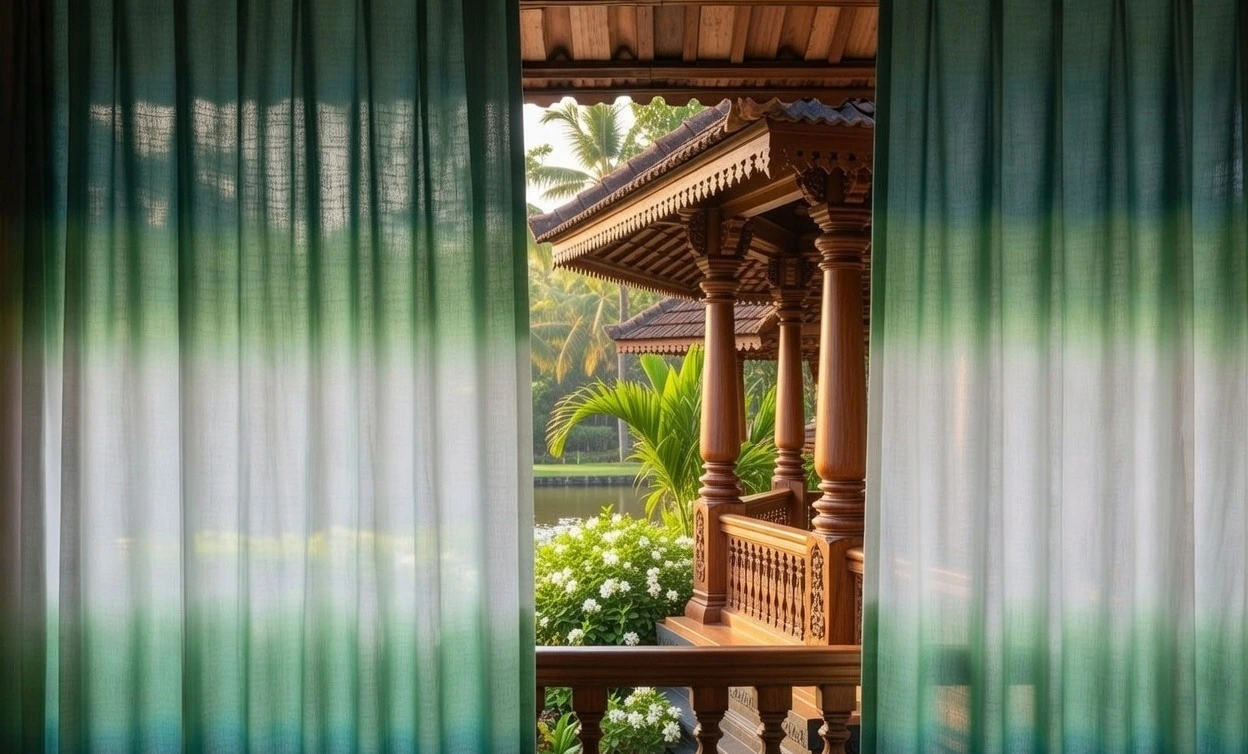
Living in Thrissur during peak summer is basically signing up for a daily battle with sticky, relentless heat and that signature Kerala humidity that makes everything feel twice as heavy. Remember those childhood afternoons when we’d draw those thick old curtains to keep the sun out, only to end up sitting in a dim, airless room that somehow felt even hotter? Yeah, fun times. Fast-forward to now, and imagine window treatments that actually cool your home—naturally, no humming AC, no shocking electricity bills—just clever, passive tricks borrowed straight from Kerala’s traditional nalukettu homes with their airy verandas and smart shading.
With climate change cranking up our tropical temps year after year, passive cooling curtains are quietly becoming the go-to for folks tired of cranking the AC every afternoon. These aren’t your average drapes; they block brutal sunlight, encourage natural airflow, and in some setups, even pull off a bit of evaporative magic—ideal for Thrissur’s warm, muggy climate where running an AC feels like funding someone else’s vacation.
What Exactly Is Passive Cooling—and Why Kerala Homes Were Built for It
Passive cooling is all about using nature’s free tools—shade, breeze, and a touch of evaporation—to drop indoor temperatures without plugging anything in. Our grandparents mastered this long ago: high ceilings, wide overhanging eaves, breathable materials that let cool air in while shoving heat right back out.
Today’s passive cooling curtains are basically that wisdom in modern form. They slash solar heat gain, bring room temps down noticeably, and cut your cooling needs big time. Real studies (and plenty of user experiences) back this—shading and better window insulation can reduce energy use for cooling by 20-30% in hot, humid spots like ours. It’s like upgrading your grandma’s vetiver blinds to something that fits right into your apartment or independent house without looking out of place.
Top Passive Cooling Curtain Options That Actually Suit Thrissur
Here are the standouts, picked with Kerala’s humidity and coastal feel in mind:
Vetiver (Khus) Curtains: The Nostalgic Hero with Serious Cooling Cred
Woven from those fragrant vetiver roots, these beauties release a fresh, earthy smell that’s basically nature’s air freshener. Lightly mist them with water, and evaporative cooling kicks in—hot air filters through the damp roots and comes out noticeably cooler (real-world reports and some claims put it at 5-7°C drops in the right setup). They handle dust, add a bit of moisture control during drier patches, and bring back that classic Kerala-home vibe. Hang them on windows, balconies, or doorways in your Thrissur flat—many locals rely on them through summer and even monsoons (just keep ventilation going strong in peak humidity to avoid any over-damp issues).Thermal Blackout Curtains: No-Nonsense Heat Blockers for Busy Modern Life
These multi-layer insulated ones reflect sunlight away and trap heat on the outside. Solid research shows they can cut cooling loads by 20% or more by stopping solar gain cold. Stick to lighter colors to keep things bright and Kerala-cheerful, maybe add sheer panels inside for soft daylight and breeze when the sun dips. Perfect for those brutal Thrissur afternoons—they keep rooms cooler without turning your living space into a cave.Bamboo or Reed Blinds: Simple, Breathable, and Wallet-Friendly
Lightweight, naturally airy, and eco to the core—these let breezes pass through while blocking direct heat. In humid coastal areas like Thrissur, they avoid trapping moisture and promote real ventilation. Cheap, sustainable, and easy to find in local markets or online—great starter option for Kerala-style homes or apartments.
Quick Installation Tips to Get the Most Out of Them in Thrissur
- Measure your windows properly—make sure curtains extend 10-15 cm beyond the frame on all sides to properly seal out heat.
- Layer wisely: Thermal outer for midday scorchers, lighter sheers for evening cross-breeze.
- In smaller flats, go for ceiling or wall mounts to free up floor space.
- Always pair with cross-ventilation—crack open windows on opposite sides for that natural wind tunnel effect.
- Vetiver fans: Position where misting is easy, but don’t soak them during heavy rains.
The Bigger Wins: Lower Bills, Better Health, and Actually Going Green
These curtains don’t just cool—they slash AC runtime (your wallet will thank you), skip that dry, artificial AC air, and use renewable stuff like bamboo or vetiver. Health-wise, cooler, fresher rooms mean better sleep—no more waking up drenched. I’ve heard friends in Thrissur say they barely touch the AC most nights after switching—real sustainable living without the preachiness.
Handling Kerala's Humidity: The Real Talk
Yes, mold can be a sneaky issue with fabrics in our humidity. Pick moisture-resistant or quick-dry options (many thermal ones come treated). Vetiver thrives with occasional misting but needs good airflow to stay fresh. On a budget? Start with one main room—Thrissur markets and online spots have decent deals that won’t break the bank.
Want more ways to make your Thrissur home comfy? Look into mosquito nets for bug-free breezes, smart cloth hanger setups to declutter, or anti-bird netting so your balcony actually stays usable.
Ready to ditch the endless AC drama? Passive cooling curtains are a low-effort, high-reward move for handling Kerala’s heat the smart, natural way. Your home (and electricity bill) will feel the difference—promise.
Conclusion
In the end, beating Thrissur’s punishing summer doesn’t have to mean surrendering to sky-high electricity bills or that constant low hum of an overworked AC. Passive cooling curtains—whether it’s the nostalgic vetiver ones whispering earthy freshness or the no-fuss thermal blackout layers—offer a refreshingly simple comeback to an age-old problem. They draw straight from Kerala’s nalukettu wisdom: let nature do the heavy lifting with shade, breeze, and a bit of clever evaporation, and watch your indoor temps drop without you lifting a finger (or your wallet).
Sure, they won’t turn your home into an Arctic igloo overnight, but in our humid, heat-trapping climate, even a consistent 5-10°C cooler feel (backed by real user stories and passive design studies) makes nights more bearable and days less sweaty. Add in the perks—slashed energy use (20-30% less cooling load in hot spots like ours), fresher air free from AC’s dry blast, lower carbon footprint, and that quiet satisfaction of living a little more sustainably—and it’s hard to argue against giving them a shot.
So, next time the afternoon sun starts turning your living room into a sauna, skip the remote and consider a curtain upgrade instead. Your home, your bills, and the planet will thank you. Thrissur summers are tough enough—why not fight back the natural, wallet-friendly way? Start small, experiment with one window, and who knows? You might just rediscover what our grandparents knew all along: sometimes the best cooling tech has been growing in the backyard (or woven into a mat) for centuries.
Frequently Asked Questions
Yes, especially thermal blackout and bamboo types—they block rain-driven heat and allow controlled ventilation. Vetiver curtains shine in drier spells but can still help if not over-wetted; focus on breathable options during heavy rains.
Combine passive cooling curtains with cross-ventilation, ceiling fans on low, light-colored walls/curtains, and shading plants outside windows. Avoid direct sunlight entry during peak hours—simple passive tricks cut indoor heat dramatically without AC
Most are! Bamboo/reed blinds wipe down easily. Thermal fabrics are often machine-washable or spot-clean. Vetiver curtains need gentle shaking or light rinsing—avoid harsh chemicals to preserve natural scent and cooling properties.
Start with passive cooling curtains to block heat, open windows at night/early morning for cool air, use fans for circulation, add indoor plants for humidity control, and keep lights off during the day. These natural methods can drop room temps noticeably and save big on electricity in Thrissur’s climate.